


(Thank you to Countertrade and Offset for the opportunity to comment on the implications of Canada’s Defence Industrial Strategy. Also great seeing reps from Thordon Bearings, Kobelt Manufacturing and Graphite Innovation & Technologies (GIT Coatings) at Asia Pacific Maritime last week here in Singapore.)
EXECUTIVE SUMMARY
The war in Iran grinds on after Trump postponed his meeting with CCP General Secretary Xi Jinping, and the Indo-Pacific consequences are compounding. The question across the region is not whether gaps in security architecture, energy security and supply chains are emerging but whether middle powers can engage and fill them fast enough to matter. Japan is scrambling to de-risk critical mineral supplies after Chinese sanctions while navigating US engagement overshadowed by Iran. Seoul is hosting a Canadian trade mission. One to watch: Hanwha Ocean and HD Hyundai are partnered on the CPSP bid, yet they are currently in a court mediated dispute on the domestic KDDX destroyer programme. How this tension gets managed while courting Ottawa is worth watching. Canada hit 2% of GDP on defence and is moving rapidly on files from ammunition production to domestic space launch capabilities. The seemingly revitalized Partnership for Indo-Pacific Industrial Resilience (PIPIR) convened National Armament Directors from 16 countries in March. The output was tangible initiatives ranging from Chinook repair hubs to tactical drone standards, and ammunition production in the Philippines. In Singapore, Cap Vista’s latest solicitation(s) (Yes, there are two) offer concrete pathways to market for Canadian dual-use firms while TKMS and ST Engineering partner on Submarine maintenance in Hanwha’s backyard.
SUMMARY OF WHAT TO WATCH
Immediate (Next 30 Days)
Cap Vista deadlines: Singapore's Solicitation 5.0 and Call for Innovation are open. Canadian firms have found success in previous rounds. If you are trial-ready in maritime AI, low-visibility autonomy, portable power, or corrosion protection, the window to apply is now.
Medium-Term (2026)
PIPIR follow-through: Sixteen countries convened in March with initiatives spanning Chinook repair hubs, solid rocket motor production, and tactical drone standards. Canada’s drone centre of excellence investment gives it a natural entry point. Watch whether Ottawa secures a defined role or remains a participant in name only.
Japan critical mineral diversification: Over 60% of Japan’s mineral supply originates from China, and sanctions are taking a toll. Australia and Brazil are the primary alternatives. Canada is notably absent from current reporting despite earlier engagement.
Allied investment screening convergence: Japan’s new CFIUS-style body joins an expanding patchwork of cross-border controls. How interoperable these regimes become will shape defence innovation flows and the compliance landscape for allied tech companies entering the Japanese market?
Strategic (2026+)
Allied production capacity as the binding constraint: The Iran and Ukraine conflicts continue to demonstrate that Western allies cannot sustain high-intensity operations at meaningful duration. Countries that produce munitions and critical components at scale will hold structural advantage.
CANADA: Hits 2%, DIA, and Time to Pay the PIPIR
2% and Quick Movement on Defence Files: Canada hits 2% of GDP on defence, continues to lobby hard for the DSRB, shaped negotiations and pitching to G7 partners, announced $1.4B for ammunition production, selected Spaceport Nova Scotia as dedicated site for defence, Colt Canada receives contract for the Canadian Modular Assault Rifle Project
Defence Investment Agency lowering $100M threshold for Projects it will manage: Canada’s new defence industry association ACDC, (for the association see here) is reporting that Canada’s Defence Investment Agency is lowering the threshold of contracts it will manage below $100M CAD.
Revitalization of PIPIR? The US led initiative first announced several years ago and has been generally quiet since, the Partnership for Indo-Pacific Industrial Resilience (PIPIR), convened for an annual meeting on 18 March this year. It included 16 countries (including Canada) and some significant industrial developments. These ranged from a Chinook repair hub in S. Korea, Solid Rocket Motor production initiative between Japan and the US, expanding energetics with the Philippines (amid serious opposition) and more. A particularly notable initiative given Canada’s recent investment in the drone center of excellence is the focus on creating standards for tactical drones, common supply chains.
PIPIR Logo Credit: US DoW
Watch: What is the floor of the new DIA project threshold? Is it $50M, $25M, something else? Given that >90% of companies are SMEs, this threshold is consequential. Can the government keep up the pace of delivery with announcements? What’s Canada’s contribution to PIPIR, can we use this as tool to advance supply chain and export diversification priorities?
JAPAN: Chinese Sanctions Drive Critical Mineral Movement, a New Foreign Investment Screening Tool, No News on Golden Dome
Export Controls & Critical Mineral Focus: Japan is reportedly accelerating its efforts to ‘de-chinafy’ critical mineral supplies. Over 60% of Japan’s minerals originate from China, and Japan recently faced sanctions earlier this year from China. Key partners include Australia and Brazil with Canada notably absent in reporting despite earlier engagement.
CFIUS Style Screening: Japan’s cabinet adopted a bill to create a cross-ministerial investment screening body modelled on the US CFIUS. This changes the compliance landscape for allied tech companies entering Japan and the exit landscape for Japanese startups with dual-use IP. Finance Ministry and National Security Secretariat will co-chair, with METI and MOD participating.
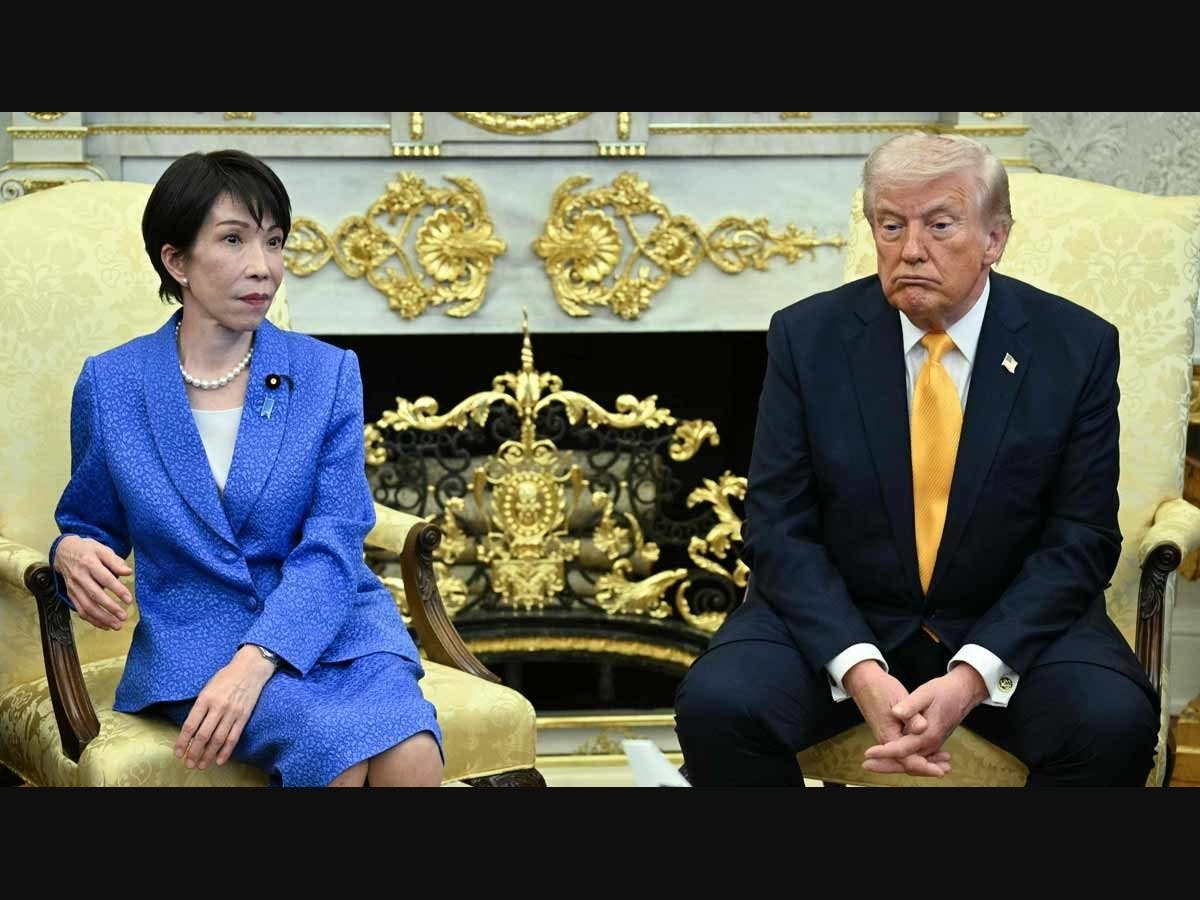
Trump Visit and Golden Dome: Reporting earlier in the month indicated that Japan would formally request participation in Golden Dome. However, there was a distinct lack of public reporting on this during PM Takaichi’s visit complicated by the Iran War Fallout including tapping private oil stockpiles and plans to open public stockpiles, and questions around definitions of collective self-defense.
Watch: Will progress be made quickly enough to avoid supply disruptions for sanctioned Japanese companies? What were the results of the Golden Dome discussion? Reports indicated a formal request would likely be made, but very little coverage followed. How will the yen be affected by oil shortages? Will Japan offload US Bonds to deal with inflation or other issues??
SOUTH KOREA: Threats from N. Korea, Submarine Diplomacy & Growing Industrial Capacity
Heightened Threat Environment: Shortly after the US announced intentions to move missile defence systems, North Korea fired a battery of 10 missiles raising alerts.
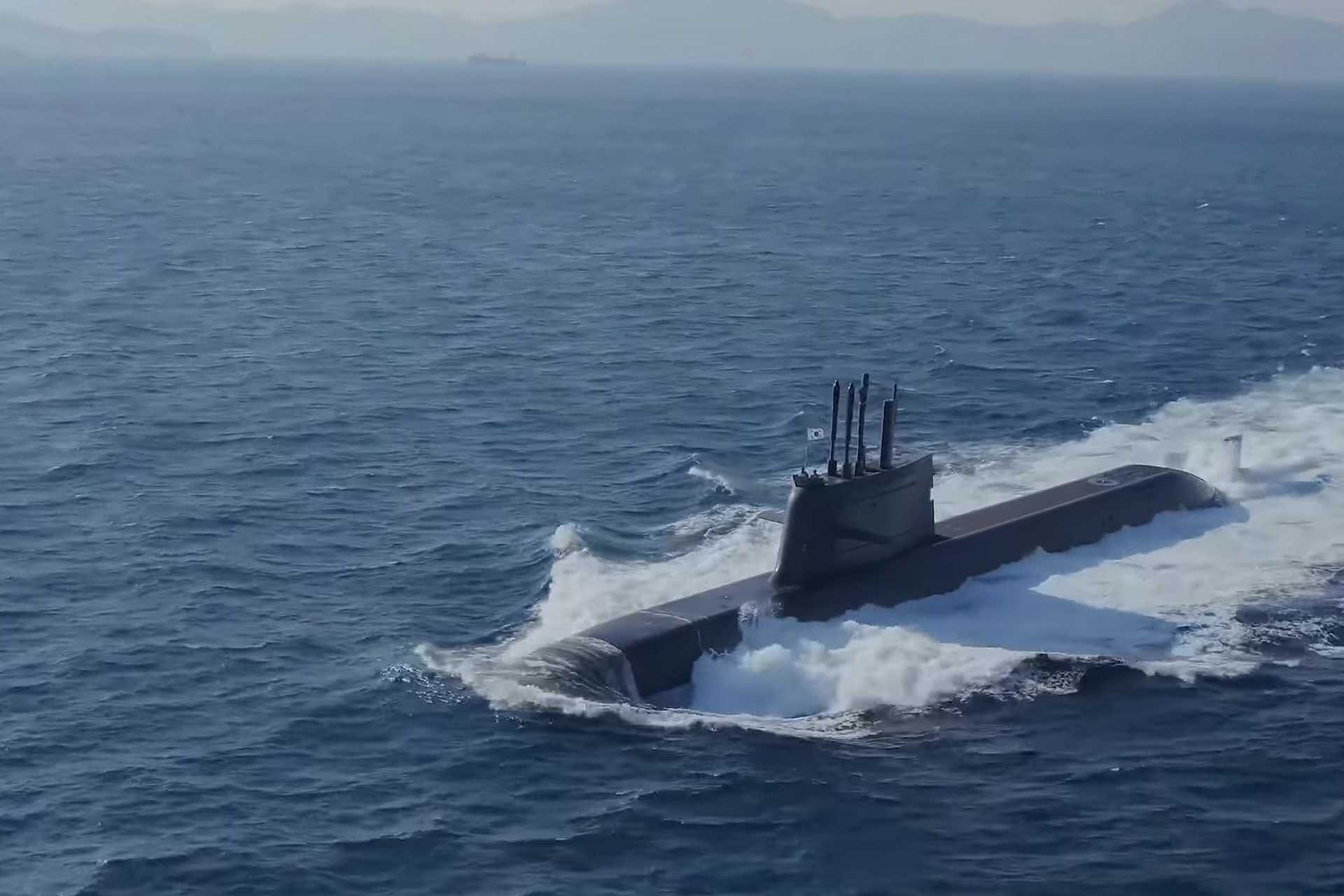
Submarine Diplomacy: The full court press for Canada’s CPSP continues with more industrial tie ups, this time involving Curtiss-Wright and the announcement that South Korea’s KSS-III class submarine ROKS Dosan Ahn Chang-ho departed Jinhae Naval Base on March 25, 2026, for a 14,000 km trans-Pacific deployment to Canada. Canada is also engaged in a Team Canada Trade Mission. Meetings with Hanwha Ocean and HD Hyundai must be awkward. They are partnered on the CPSP pursuit, but are currently locked in a bitter dispute related to the S. Korean domestic KDDX Destroyer program.
Growing Industrial Prowess: During the delivery ceremony for the first domestically produced fighter jet, the KF-21, South Korea’s President highlighted the country’s increasing ambitions and industrial prowess making a clear statement that South Korea is eyeing all parts of the value chain from the airframe to engines, components and raw materials.
Watch: Will there be other provocations as the strategic balance and focus shifts? How will HD Hyundai and Hanwha manage their dispute?
SINGAPORE: Opportunities with Cap Vista Offer Foothold, At the Center of Great Power Politics with Manus
Cap Vista Opportunities: Despite growing concerns of the implication of the Strait of Hormuz closure, Singapore’s Cap Vista (think of an organization that is a mix of Defence Research and Development Canada and In-Q-Tel) opens up its Solicitation 5.0 and Call for Innovation Products and Services. These offer a tremendous pathway into the Indo-Pacific market and several Canadian firms have already found success including Illumia Labs and OnDeck AI. For the most recent challenges, if you’re a trial-ready dual-use company in maritime AI, low-visibility autonomy, advanced portable power/energy, or maritime corrosion protection, you should apply.
Manus AI feels the Reach of Beijing: Owned by Meta Platforms, Manus AI is a Singapore based start up with Chinese roots that recently became subject to an investigation by Chinese authorities. Originally founded in China in 2022, Manus relocated to Singapore in 2025 shortly before its exit to Meta for ~$2B USD. Its founders were recently restricted from leaving China and are subject to a national security investigation highlighting the growing competition for strategic technologies in the region.
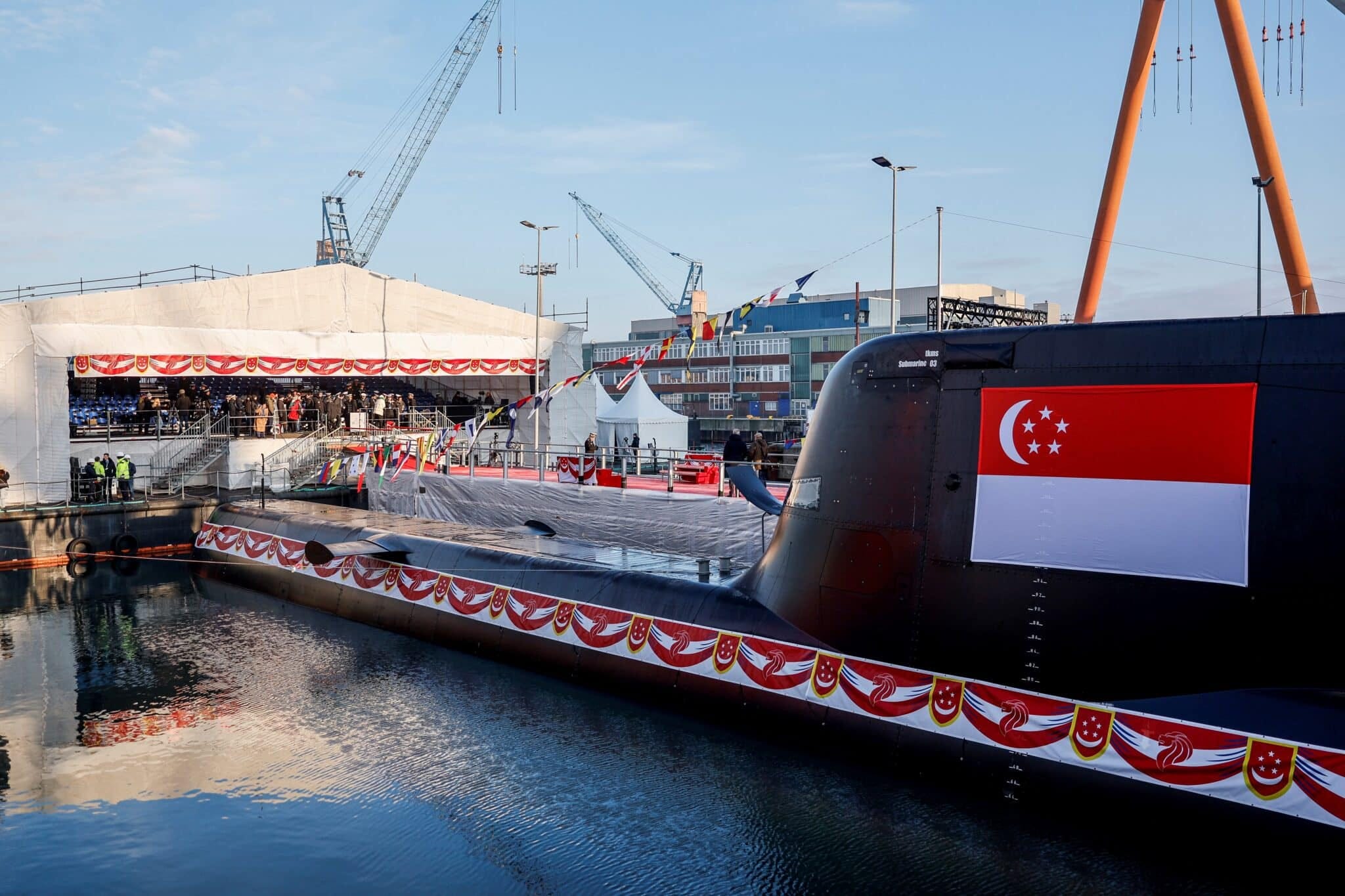
TKMS and ST Engineering to Partner on Sub Maintenance Hub: TKMS and ST Engineering signed an MoU to explore a joint submarine service and maintenance centre in Singapore, framed around the RSN’s 218SG fleet but explicitly open to other international TKMS submarine operators. Worth noting that TKMS is planting a through-life support node in Southeast Asia. If the 212CD wins CPSP a Singapore-based maintenance hub undercuts one of Hanwha’s core value propositions: that customers can benefit from geographic and industrial proximity to Korean yards when operating in the region.
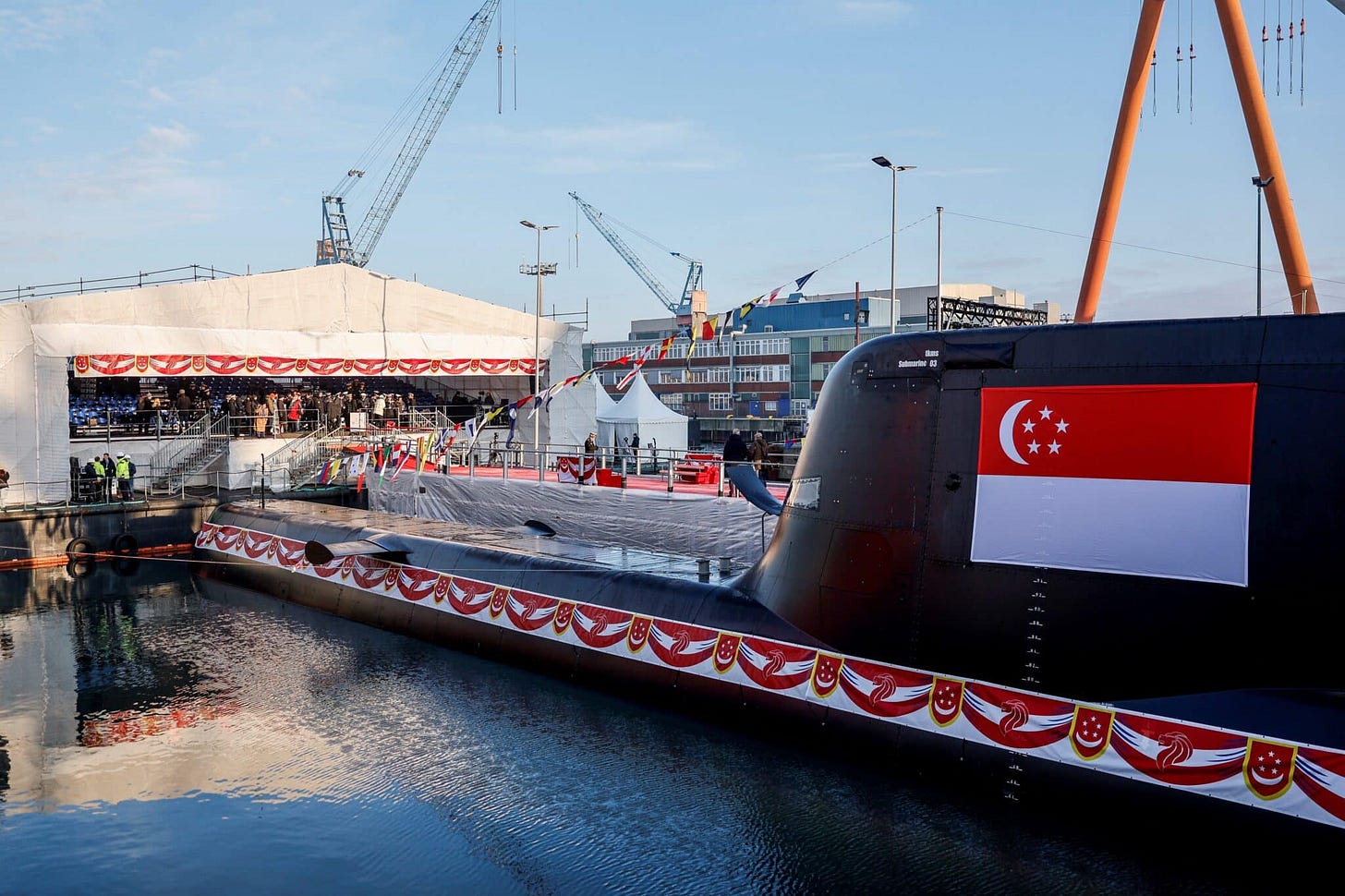
Photo of 218SG Class Credit: Naval News and TKMS
Watch: Canadian AI firms seem to have fared well in Cap Vista Challenges, will they find success in other areas? Where does the sustainment MoU go?
OTHER REGIONAL DEVELOPMENTS
India: The Defence Acquisition Council formally approves 2026 defence procurement pipeline. Despite the general shift away from Russian suppliers, the budget includes funds for the Russian S-400 air defence system.
Australia is reportedly seeking billions in investments to bring mining and midstream projects on line after joining the G7 critical minerals production alliance. Australia and New Zealand are also deepening defence ties in a number of areas including defence industrial cooperation under Anzac 2035.
Indonesia: cancelled the KRI Bima Suci’s transit to Canada and ten other countries and will be focused just on East Asia and commences exercises with the Russia Navy.
Taiwan: China positions obsolete supersonic fighters that have been converted to attack drones close to the Taiwan strait. Defence budget impasse continues as visiting US lawmakers urge Taipei to approve the budget.
Events
CADSI Canadian Armed Forces (CAF) Outlooks 2026 | 7-9 April 2026 | Ottawa (Rogers Centre Ottawa) |
DSA and NATSEC Asia 2026 | 20-23 April 2026 | Kuala Lumpur |
Singapore Maritime Week (SMW) 2026 | 20-24 April 2026 | Singapore |
Milipol TechX (MTX) 2026 | 28-30 April 2026 | Singapore (Sands Expo and Convention Centre / Marina Bay Sands) |
The New Maritime Battlespace: Threats, Technology, and the Future of Canadian Naval Operations | Royal United Services Institute of New Brunswick | 5 May 2026 | St. John, New Brunswick, Canada |
AUSA LANPAC Symposium & Exposition 2026 | 12-14 May 2026 | Honolulu |
Indian Ocean Defence & Security (IODS) 2026 | 26-28 May 2026 | Perth |
CANSEC 2026 | 27-28 May 2026 | Ottawa (EY Centre) |
Shangri-La Dialogue (IISS Asia Security Summit) | 29-31 May 2026 | Singapore |
Critical Minerals for Defence | 9-10 June 2026 | Toronto |
Naval Defense Philippines / PhilMarine 2026 | 17-19 June 2026 | Manila (SMX Convention Center) |
SANS Cyber Defence Singapore 2026 | Starts 29 June 2026 | Singapore |
Anything to add? Did we miss something? Reach out.
Excellent recap!